
A parent who has always managed the household may begin leaving meals untouched, missing medications, or calling repeatedly because they are unsure what day it is. These changes can be easy to explain away at first. Yet the question, when does an elderly parent need care, is usually not answered by one dramatic event. It is answered by a pattern: daily life is becoming less safe, less manageable, or less dignified without support.
Care does not always mean moving a loved one into a nursing home. It may begin with help at home, rehabilitation after an illness, or more regular clinical oversight. The right time is when the support a family can realistically provide no longer matches the care their loved one needs.
When Does an Elderly Parent Need Care?
An older adult may need care when health changes start affecting everyday activities, safety, or quality of life. These changes may be gradual, particularly with dementia, Parkinson’s disease, frailty, or chronic conditions. They may also follow a sudden event, such as a stroke, fall, surgery, or cancer diagnosis.
The key concern is not whether your parent can still do some things independently. It is whether they can consistently manage essential tasks without avoidable risk. A parent may be able to prepare tea, for example, but may no longer remember whether the stove has been turned off. They may walk around the home but be unsteady on stairs or need help getting to the bathroom at night.
Families sometimes wait for a serious fall, hospital admission, or caregiver crisis before seeking help. Planning earlier gives your parent more voice in decisions and gives the family time to consider care options carefully.
Changes in Daily Living That Should Not Be Ignored
A useful starting point is to look at the ordinary routines that keep someone safe and well. Difficulty with bathing, dressing, toileting, eating, transferring from bed to chair, or walking may indicate a need for hands-on support. Even one activity can become significant if your parent lives alone or is at high risk of falling.
Less visible tasks matter too. Watch for unpaid bills, missed appointments, an empty refrigerator, poor housekeeping, confusion over medication, or a decline in personal hygiene. These can point to memory concerns, depression, reduced vision, pain, or physical weakness. They are not always signs that a parent has lost all independence, but they do call for an honest assessment.
Nutrition and hydration deserve particular attention. Weight loss, repeated dehydration, spoiled food, difficulty swallowing, or a lack of appetite can quickly affect strength and recovery. A parent who needs special diets for diabetes, kidney disease, stroke recovery, or cancer may need more structured meal planning and monitoring than family members can safely provide each day.
Safety Concerns Often Signal a Need for More Support
Falls are among the clearest warning signs, especially when they happen more than once or cause fear of walking. After a fall, some older adults become less active because they are worried about falling again. Reduced movement can lead to weaker muscles, poorer balance, pressure injuries, and greater dependence.
Other safety concerns include wandering, leaving doors unlocked, unsafe driving, burns, frequent medication errors, or becoming disoriented outside the home. For a person living with dementia, these situations can develop before the family recognizes how much supervision is needed.
Seek urgent medical help for sudden confusion, weakness on one side of the body, slurred speech, severe chest pain, difficulty breathing, a serious fall, or a sudden inability to walk. These symptoms should not be treated as ordinary aging. Once urgent needs have been addressed, the family can consider what level of ongoing care will reduce the risk of another crisis.
Cognitive and Emotional Changes Need Careful Attention
Forgetting a name occasionally is common. Repeatedly forgetting close family members, getting lost in familiar places, accusing others of stealing misplaced items, or being unable to follow familiar routines is different. These changes may suggest dementia or another medical condition that needs professional evaluation.
Behavior can also change when a parent is in pain, frightened, lonely, or overwhelmed. Agitation in the evening, disrupted sleep, withdrawal from friends, or refusing care can be difficult for families to manage alone. A calm, consistent care routine can help, but it must be tailored to the person rather than forced on them.
Care should protect dignity as well as safety. A parent with memory loss may respond better to familiar music, a preferred meal, gentle reassurance, and familiar faces than to repeated correction. Families should look for support that recognizes the person behind the condition.
Consider the Needs of the Family Caregiver Too
A parent may need care before their health has reached a breaking point because the family caregiver has reached theirs. Caring for a loved one can involve lifting, bathing, toileting, medication management, hospital visits, night waking, and emotional reassurance. It is demanding work, especially for adult children balancing careers, children, and their own health.
Warning signs of caregiver strain include exhaustion, frequent conflict, missed work, resentment, back pain, anxiety, and no time to rest. These feelings do not mean you are failing your parent. They mean the care arrangement may no longer be sustainable.
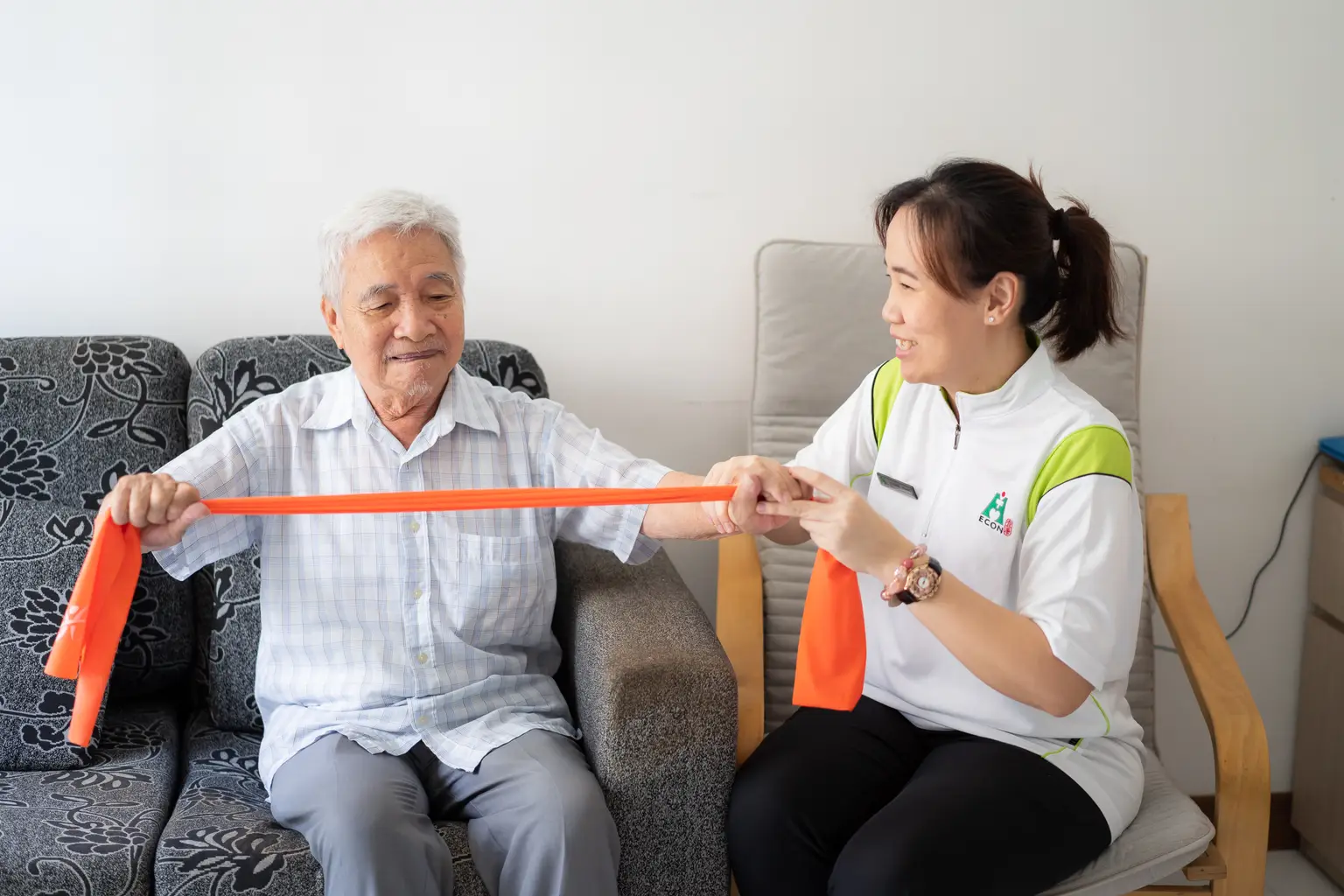
Home care can be a good fit when your parent is safer with regular assistance and wants to remain in familiar surroundings. Residential nursing care may be more appropriate when needs are round-the-clock, medical conditions are complex, mobility is severely limited, or family members cannot reliably provide supervision. Rehabilitation support may be needed after a stroke, fracture, surgery, or prolonged hospitalization to help a loved one regain function where possible.
Match the Type of Care to the Level of Need
The right decision depends on the person’s condition, home environment, preferences, and available family support. A thorough assessment should consider mobility, continence, skin health, nutrition, medication needs, cognition, emotional well-being, and social connection.
A parent who needs help with meals and household routines may do well with scheduled home support. Someone who is bedridden, has advanced dementia, needs tube feeding, requires frequent repositioning, or has complex wound care generally needs trained caregivers and nursing supervision. A person recovering from a stroke may benefit from coordinated nursing, physiotherapy, nutrition guidance, and meaningful activity rather than care that focuses only on basic tasks.
For families in Johor Bahru or the Klang Valley, it can be helpful to arrange an assessment before discharge from the hospital or before a temporary care arrangement becomes an emergency. ECON Healthcare works with families to understand a loved one’s daily needs and recommend an appropriate home-based, rehabilitation, retirement, or nursing care plan.
How to Start the Conversation With Your Parent
A care conversation is rarely easy, particularly when a parent fears losing control. Choose a calm time, not immediately after an argument or accident. Begin with what you have noticed and what you want for them: safety, comfort, independence where possible, and less stress for everyone.
Use specific examples rather than broad statements such as, “You cannot cope anymore.” You might say, “I noticed you missed several doses of medication this week, and I am worried about your health. Can we talk about having someone help?” Invite your parent to share what they find difficult and what kind of help they would accept.
If they are reluctant, a trial arrangement can feel less overwhelming. A few hours of home care, short-term rehabilitation, or a visit to a care setting may help them see that receiving support does not mean giving up their identity or family role.
The most caring decision is not always doing everything alone. It is recognizing when professional support can make daily life safer, more comfortable, and more connected. Taking that first step early can give your loved one the reassurance of being cared for with dignity, while giving your family room to remain family.